
Free Art Appraisal
Free art appraisal online — get a value estimate from photos
Upload photos and receive a free, research-backed artwork appraisal covering artist identity, originality, condition, and comparable market sales — no upfront cost, no shipping, and no formal paperwork required. Hundreds of art owners use our service every month.
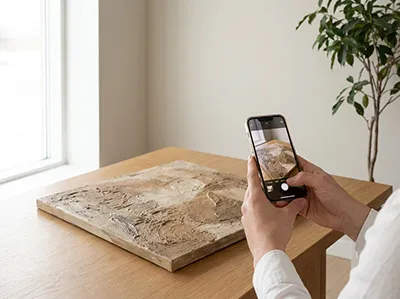
What is a free art appraisal?
A free online art appraisal is a research-backed value estimate based on visual analysis and comparable market sales. It's not a formal legal document, but it gives you a realistic understanding of what your artwork is worth — without paying $200–$500+ for a certified appraiser. Every free appraisal includes a price range grounded in recent market data, artist identification when possible, an assessment of whether your piece is an original or reproduction, condition observations from your photos, comparable sales references, and guidance on whether a formal paid appraisal or selling makes sense as a next step.
What determines the value of your artwork?
Whether you're getting a free online appraisal or a paid formal evaluation, these are the factors that drive what your art is worth.
Artist identity
The single biggest driver of value. Signature style, subject matter, labels, and catalog references help identify the creator. Works by well-known artists like Picasso, Warhol, or Dalí carry obvious premiums, but lesser-known listed artists can also surprise — which is exactly why a free art valuation is worth requesting before assuming a piece has no market.
Original vs print
Originals carry the highest value, but prints can still be worth thousands when they're limited editions or by iconic artists. The difference between an original painting and a mass-produced reproduction is often the difference between a $50 piece and a $5,000+ one. Our free appraisal includes an originality assessment. See our original vs print artwork guide for details.
Medium & technique
Oil paintings typically command the highest prices, followed by acrylics, watercolors, and drawings. Print value depends on edition size, technique (lithograph, screenprint, etching), and rarity. Sculpture value hinges on material, scale, and artist. A free appraisal helps you understand where your piece fits in these market tiers.
Condition
Water damage, mold, tears, yellowed varnish, poor restoration, fading, cracking, and flaking all reduce value — sometimes dramatically. A painting in excellent condition can be worth 2–5x the same work with visible damage. Our photo-based appraisal flags condition issues that affect pricing.
Provenance & documentation
Certificates of authenticity, gallery receipts, exhibition records, auction labels, and ownership history add credibility and can significantly raise value. If you've inherited artwork or bought a piece secondhand, even partial documentation helps. Check the back of the frame for labels and stickers before uploading.
Comparable market sales
Recent auction results, gallery pricing, and online sales data reveal what buyers are currently paying for similar works. A painting's worth depends on today's market — not what it sold for decades ago. Our artwork valuation compares your piece against relevant comparable sales.
Do you need a free estimate or a formal appraisal?
A free estimate is enough when
- You're curious or deciding whether to sell
- You found the artwork at a thrift or sale
- The piece appears to be a reproduction
- You inherited artwork with no documentation
- You suspect the artist is unknown
- You want a fast online answer
Consider a formal appraisal when
- The artist is well known
- The value appears above $3,000–$5,000
- You need insurance or estate documentation
- You plan to donate for tax purposes
- You need legal proof of value
- Authentication may be required
If a free appraisal suggests high value, we'll let you know if paying for a formal appraisal makes sense.
⚠ Common misconceptions about free art appraisals
Free doesn't mean unreliable. Here's where people go wrong when thinking about online art appraisals and artwork valuation.
- “Free valuations aren’t accurate.” Quality free valuations use real market data.
- “A free appraisal is the same as a formal appraisal.” One guides you; the other documents value.
- "Old artwork is always valuable." Many old paintings are decorative only.
- “If it’s signed, it must be worth something.” Many prints carry printed signatures.
- “Only originals have value.” High-quality prints by known artists can be valuable.
FAQ: free art appraisal questions answered
Common questions about getting a free online art appraisal and when a paid appraisal makes more sense.
Yes. Your initial valuation costs nothing — no credit card, no commitment, no hidden fees. If your artwork appears to be high value, we may suggest optional next steps like formal authentication or selling support, but those are always your choice.
Every free appraisal includes a realistic value range based on comparable sales, notes on whether the piece appears to be an original or reproduction, artist identification when possible, condition observations, and guidance on next steps. It covers the same core analysis as a paid appraisal — the difference is it's not a certified legal document.
Free appraisals are reliable estimates grounded in real market data, artist databases, and comparable sales. For most artwork, a free online appraisal provides enough information to make informed decisions about selling, insuring, or keeping. High-value works (typically $5,000+) may benefit from formal in-person authentication for additional confidence.
Often, yes. Clear photos of texture, brushwork, signatures, edition marks, and surface details help determine whether a piece is an original painting or a print. This is one of the most important factors in any artwork appraisal — and one of the most commonly misunderstood. See our original vs print artwork guide for what to look for.
Most free art appraisals are delivered within 24–48 hours of uploading your photos. Complex or potentially high-value pieces may require additional research and take slightly longer. We'll keep you updated throughout the process.
Paintings (oil, acrylic, watercolor), prints (lithographs, screenprints, etchings), drawings, mixed media, and some sculptures. If you can photograph it clearly, we can usually provide an estimate. This includes old paintings, inherited artwork, thrift store finds, and pieces you're considering selling.
Yes — the back of a painting or frame often tells more of the story than the front. Gallery labels, auction stickers, artist notes, canvas type, stretcher bar construction, and framing materials all help with identification, dating, and provenance. Always include back photos in your free appraisal submission.
Only when you need a certified written document — for insurance coverage, estate settlement, tax deductions on charitable donations, or legal disputes. A free appraisal gives you the same market insight; a paid appraisal adds the legal standing. Start with a free estimate to find out whether the cost of a formal appraisal is justified for your piece.
Ready to get a free art appraisal?
Upload photos now and receive a research-backed estimate.
Get Free Valuation